
Type
Design Experiment
Duration
Nov 2026
Tools
Arduino, C++, Solidworks, FDM, Mediapipe, Webgazer, GPT-5
Overview
An experimental design project rethinking the traditional mouse ergonomics by replacing rigid form with a deformable, adaptive structure. Through pressure-based interaction and iterative prototyping, the project explores a more intuitive relationship between hand and device.
1. Project Motivation
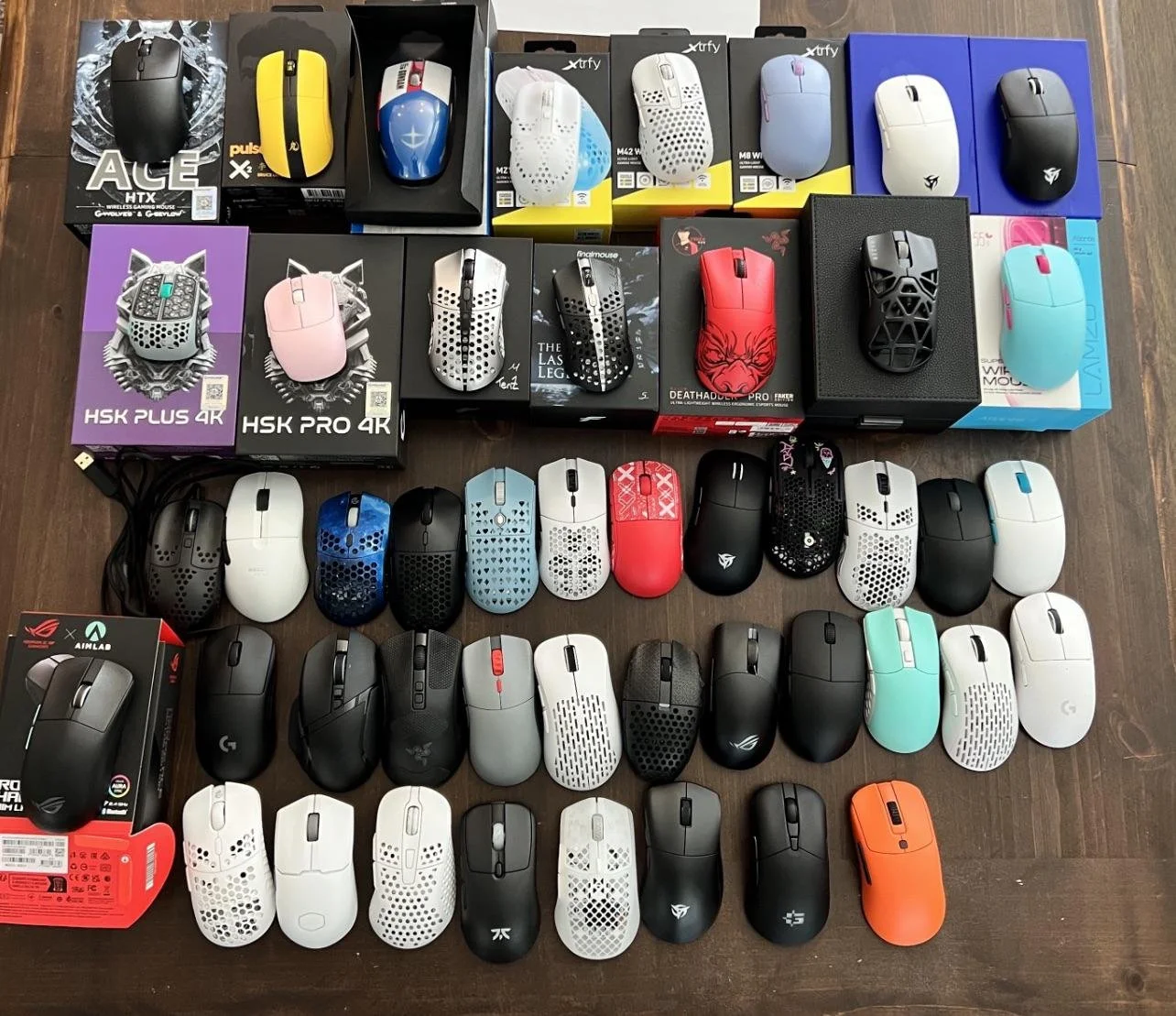
Why are most technology products designed as hard goods rather than soft tactile objects, especially computer mice that users interact with using their entire hand for long periods of time?
With so many computer mice on the market making minor ergonomic adjustments to fit different hands, could a soft structure become an ultimate form of ergonomics that naturally adapts to each user’s hand?
2. Initial Prototype
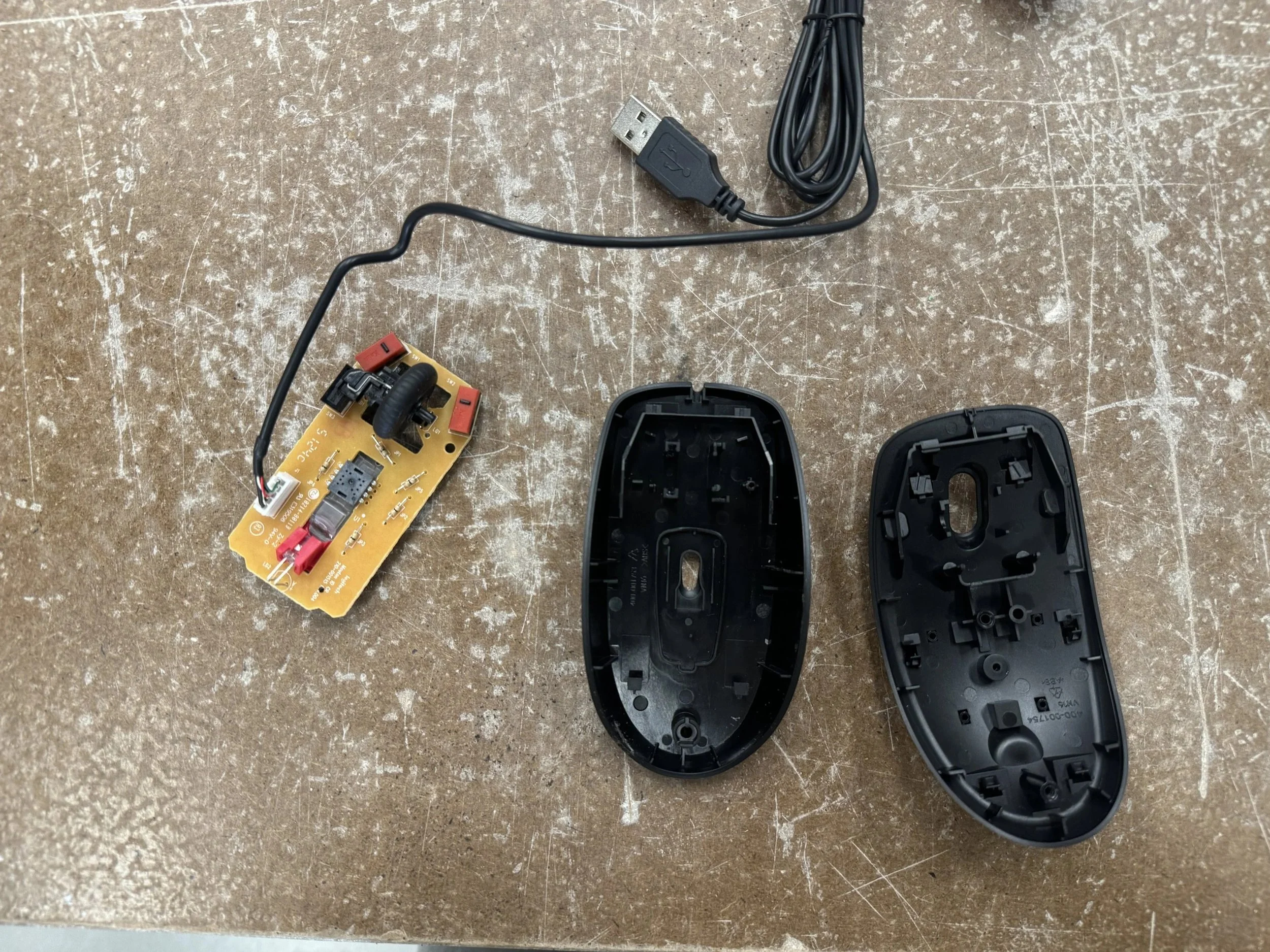
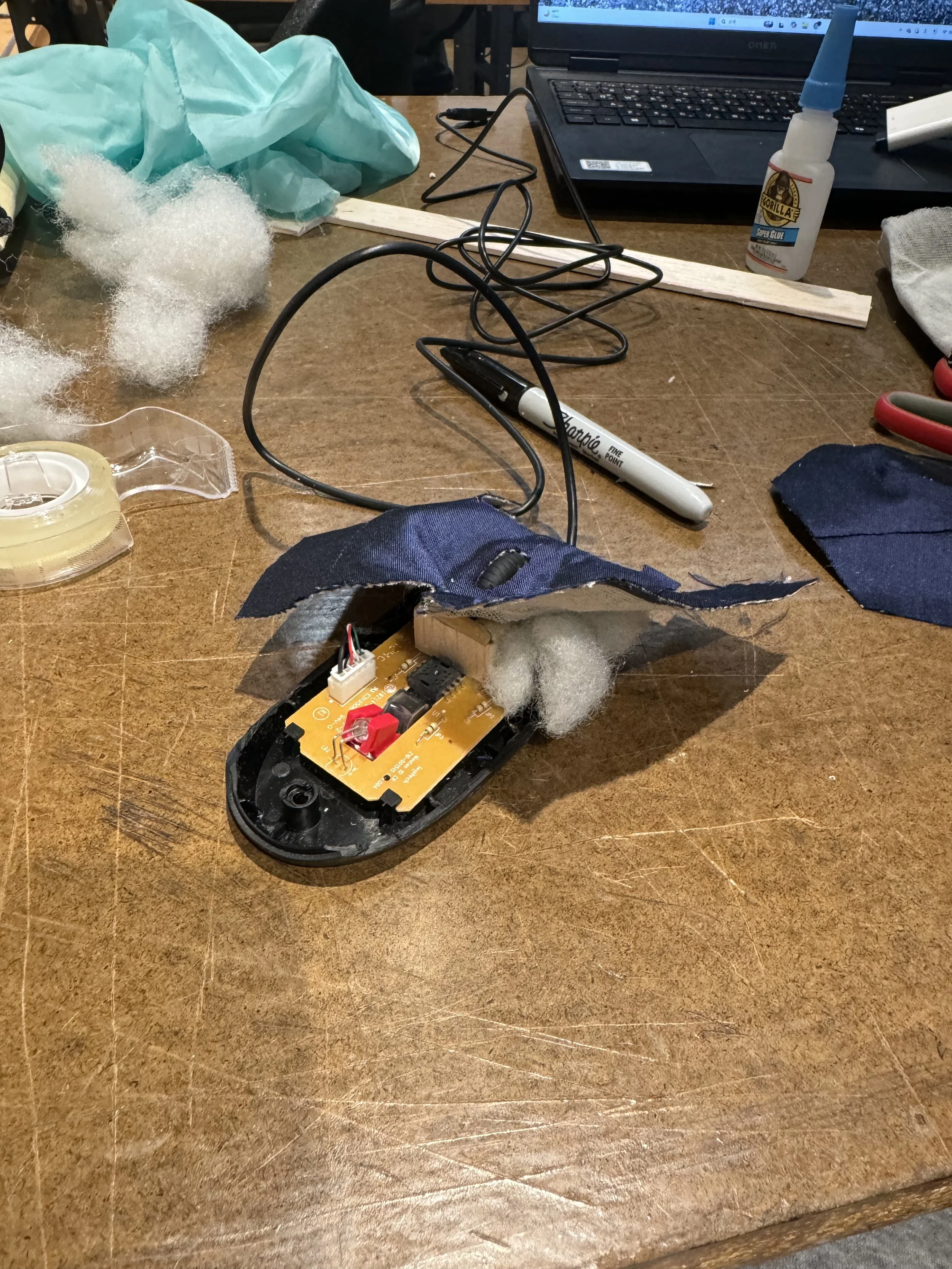
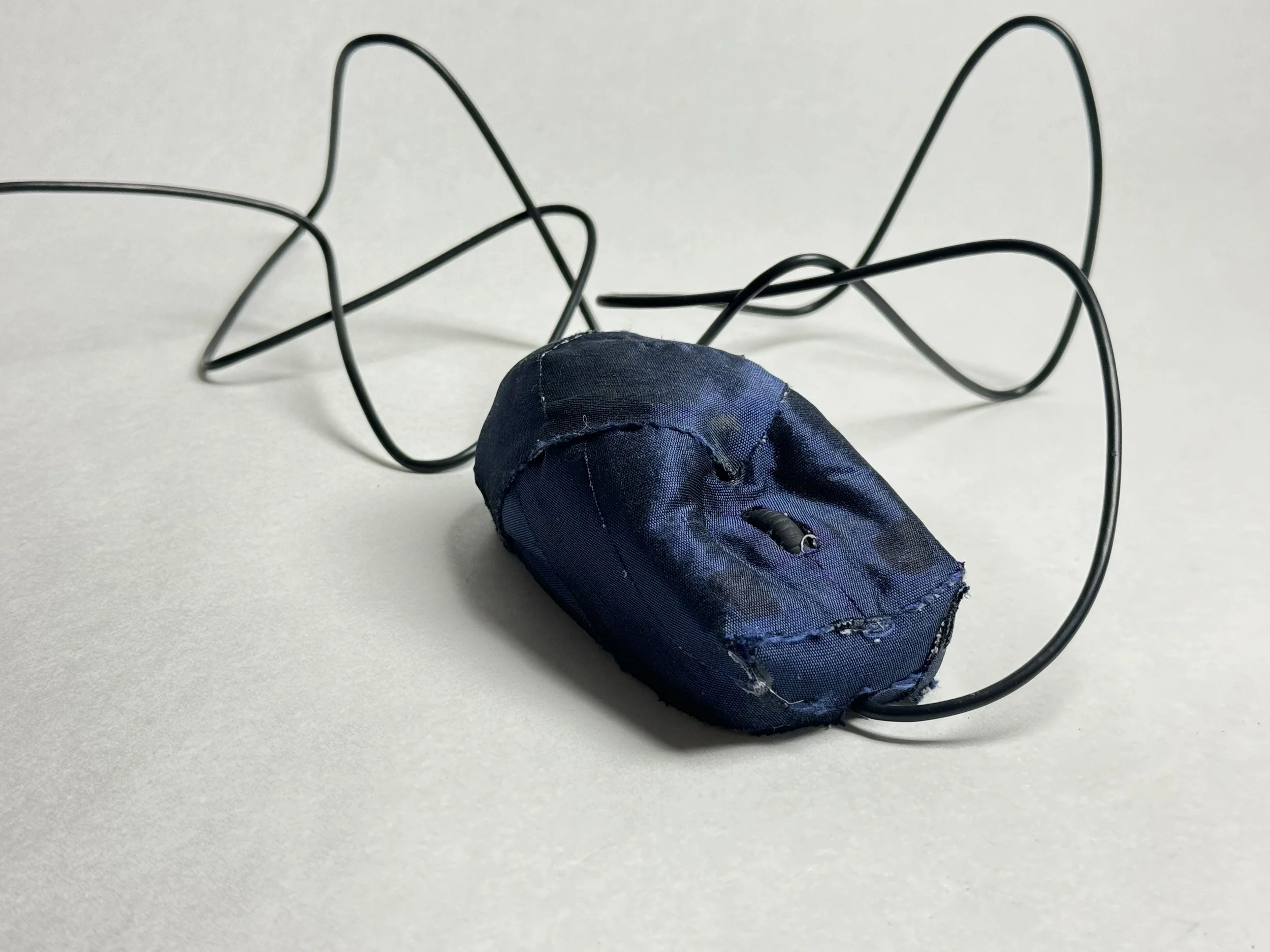
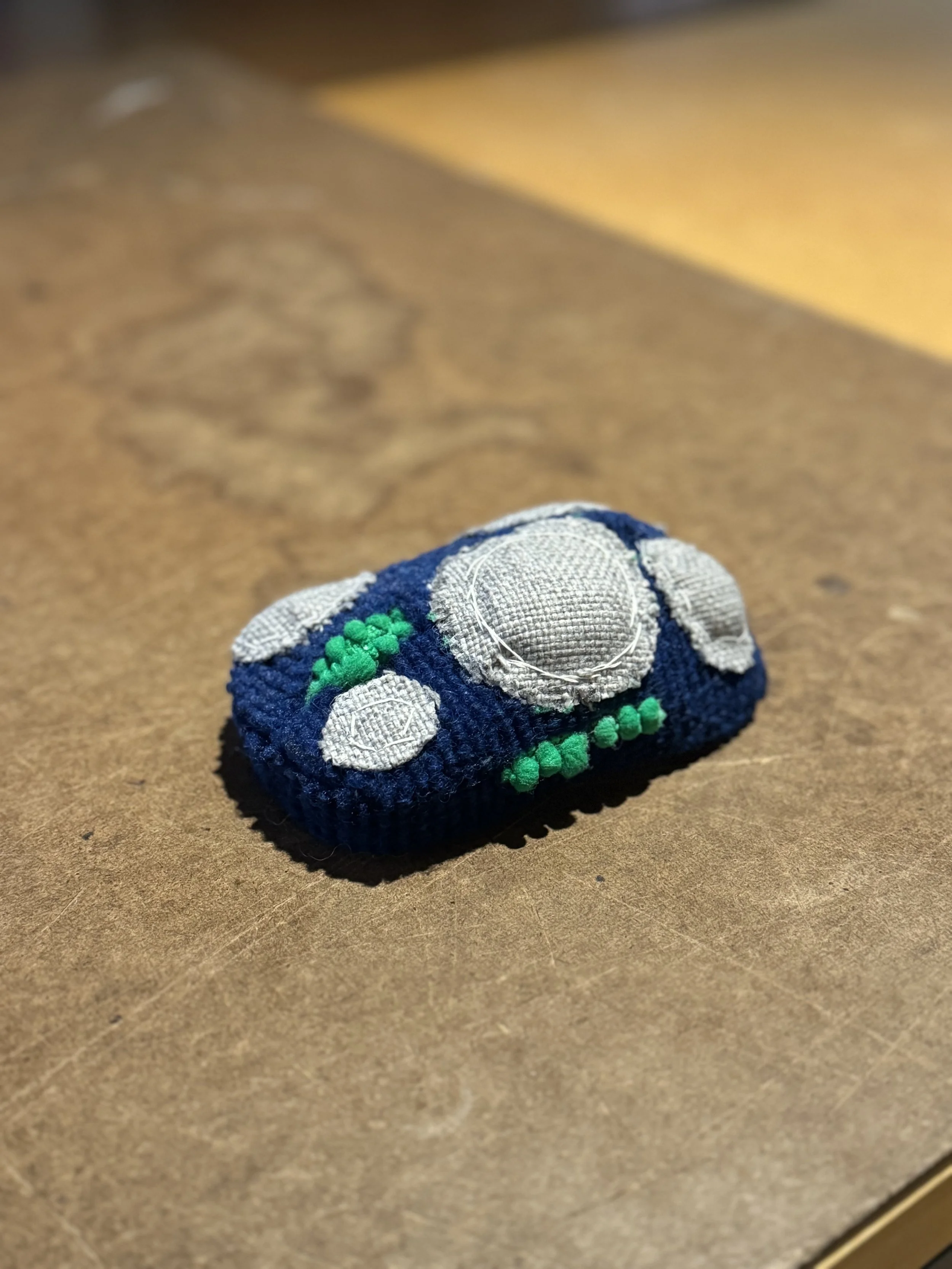
A regular office mouse was disassembled to experiment with how introducing softness could change the tactile experience of the mouse in the user’s hand.
The conclusion was that the button pressure required to trigger the sensors through the cotton was too high. This caused rapid finger fatigue and highlighted the need for a more sensitive pressure sensor capable of detecting subtle input rather than relying on a traditional click mechanism found in standard office mice.
3. Tactile Response Study
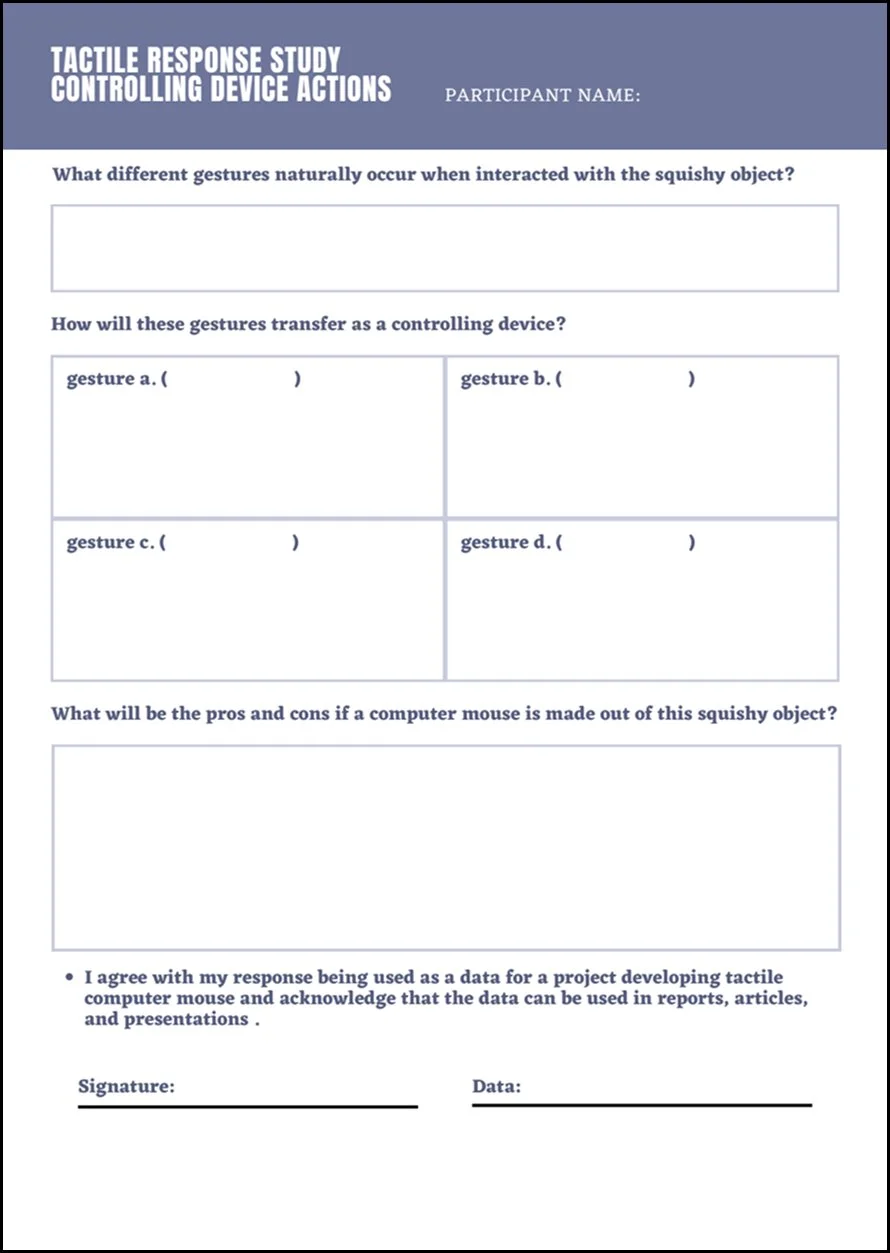
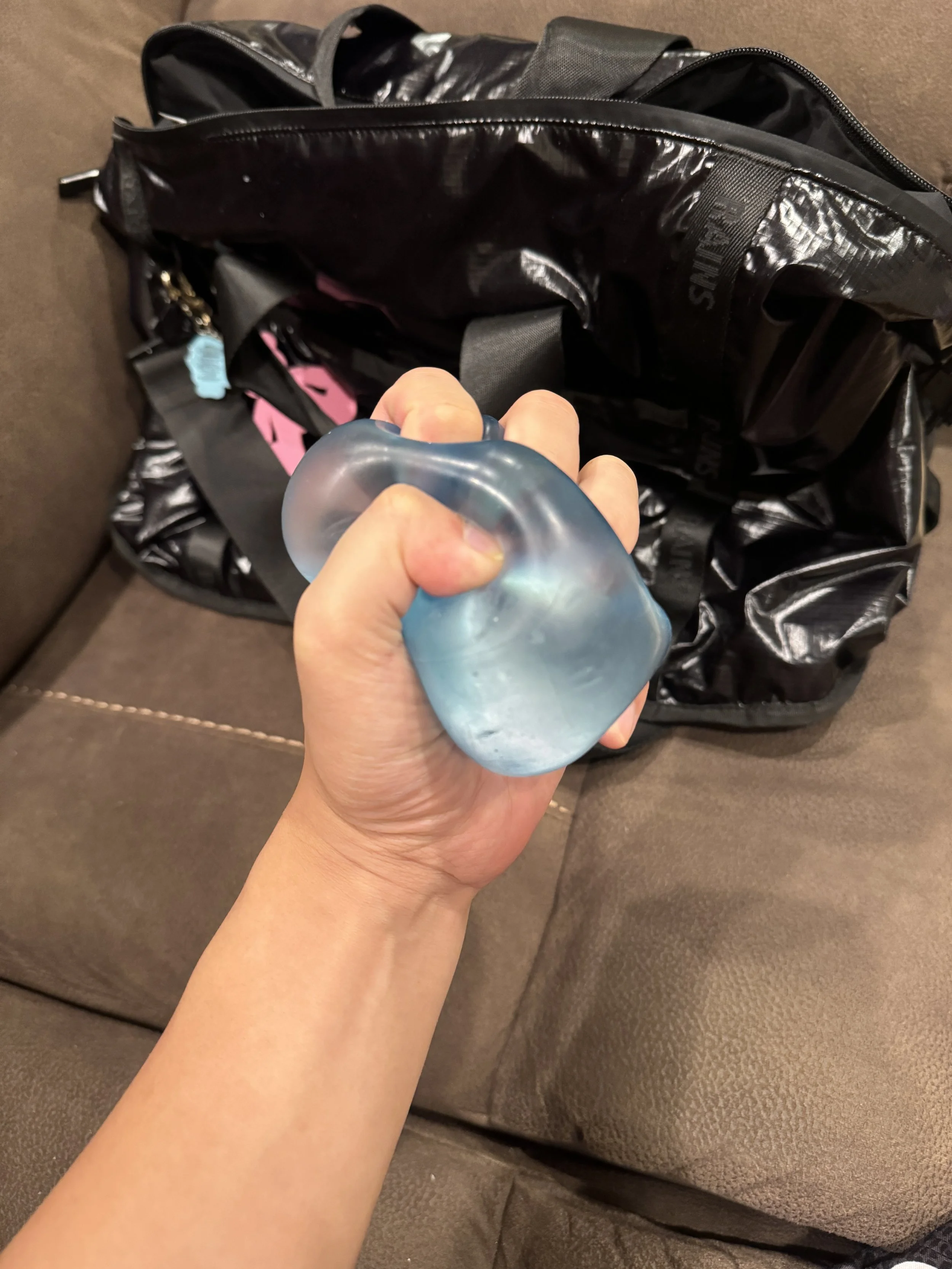
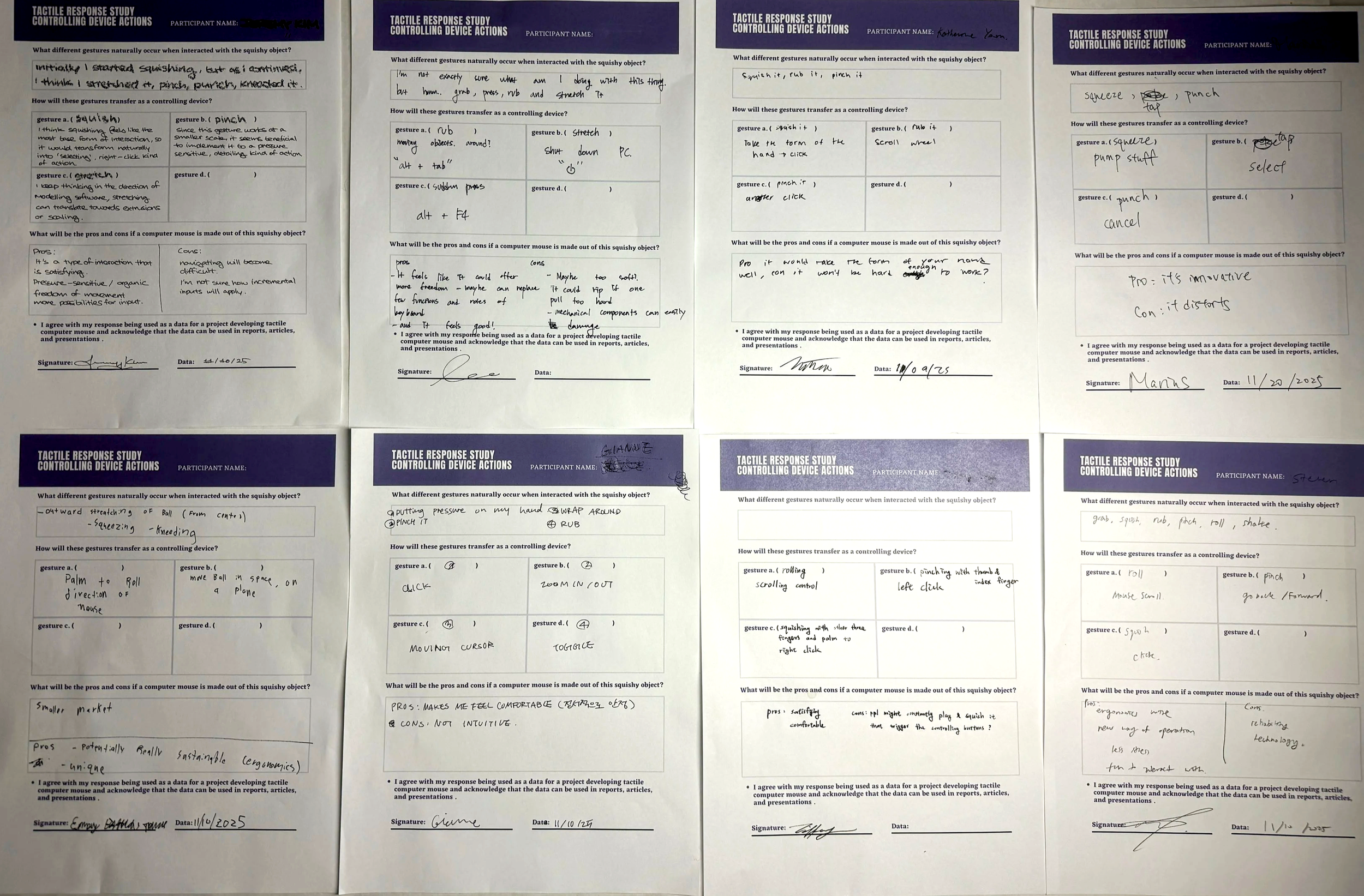
An exploratory user study with 8 participants examined which tactile motions could naturally translate into computer mouse commands. Using a palm sized cubic slime object, participants explored various interactions while imagining it as a mouse.
The study revealed two key limitations. Translating diverse tactile gestures into a reliable technological system proved challenging, and users were strongly conditioned to conventional mouse inputs such as left click, right click, and scrolling.
As a result, the design retained conventional mouse inputs while challenging a fundamental assumption of the mouse. Observations showed that users often lifted the object off the desk, prompting the question of why a mouse must remain surface bound. This insight led to the replacement of the traditional tracking sensor with eye tracking, enabling a more playful and embodied interaction independent of a desk surface.
4. Design Points
2 button and scroll mouse with applicable sensors for soft structure
Retains familiar mouse inputs while integrating pressure based sensors suitable for a malleable body.
Eye tracking based cursor control
Replaces surface dependent tracking, allowing interaction beyond the desk and enabling a more playful and embodied use.
5. Final Prototyping
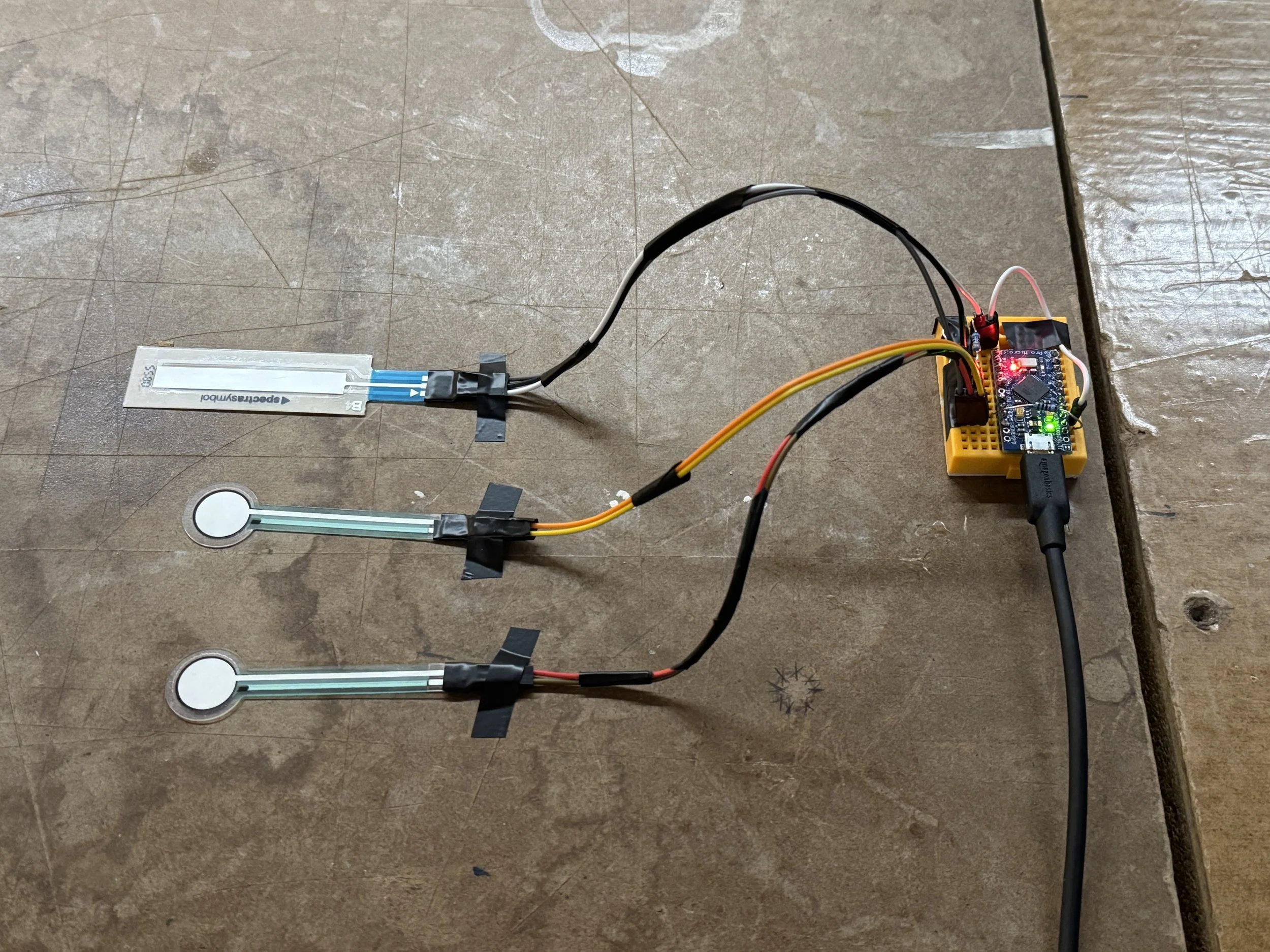
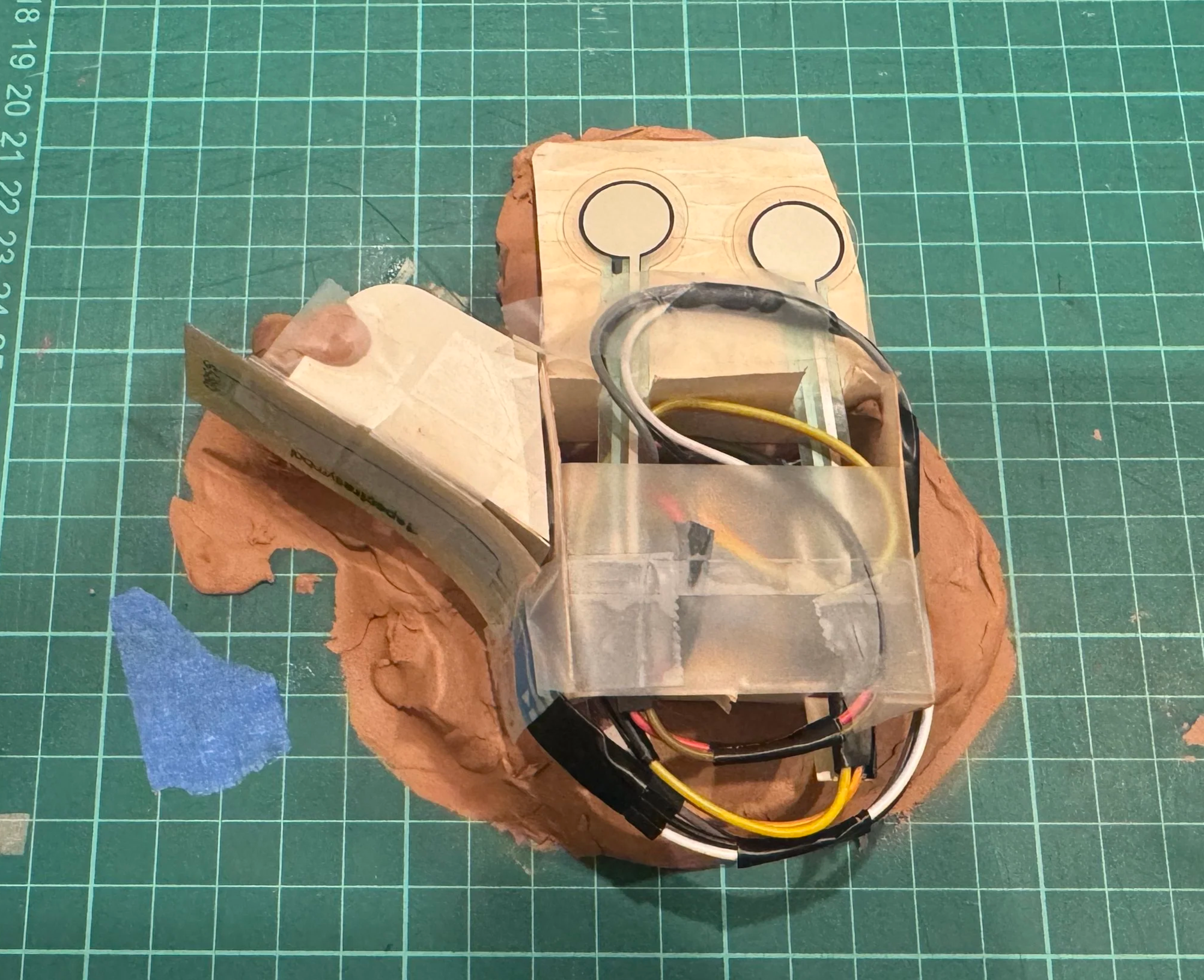
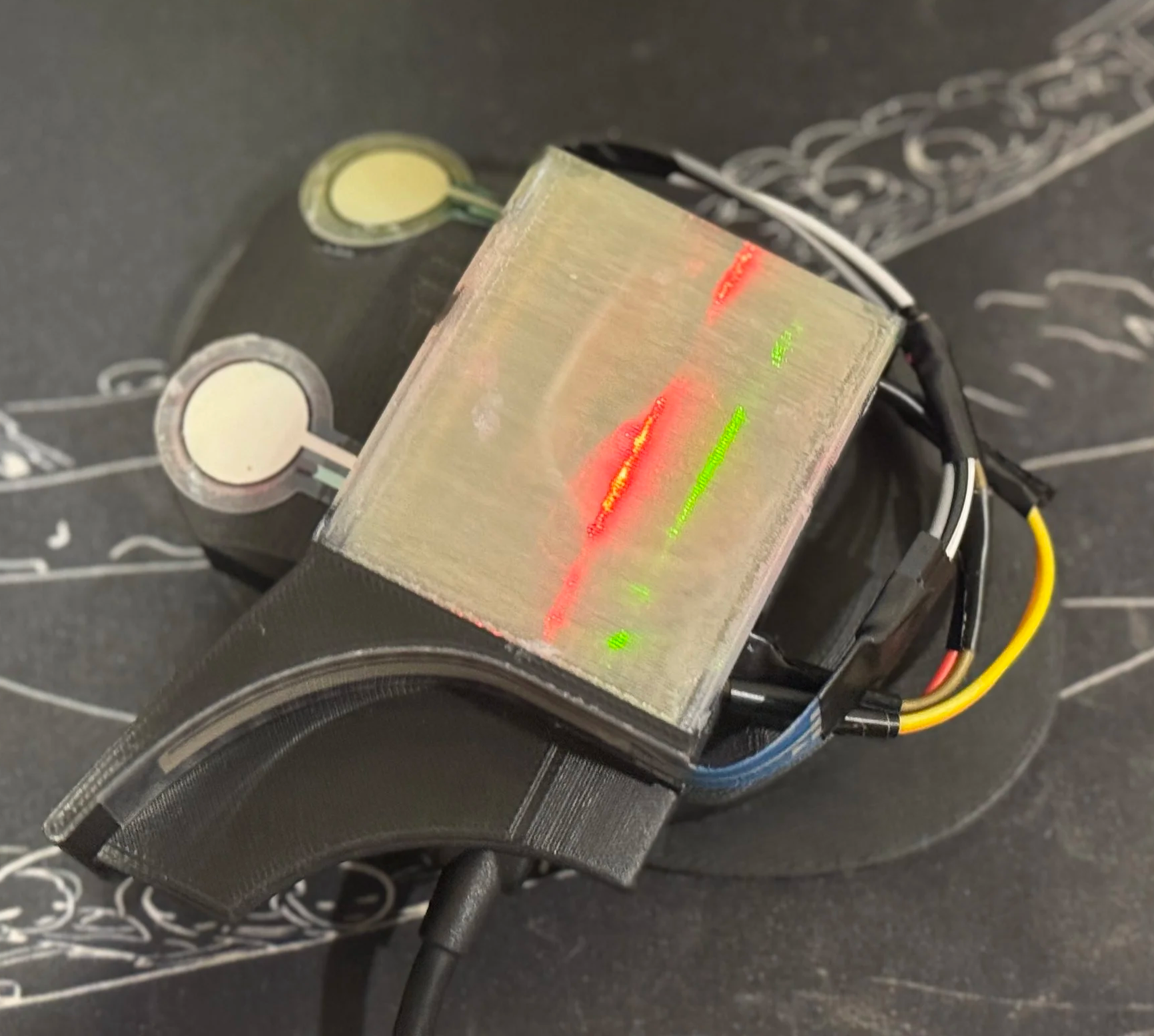
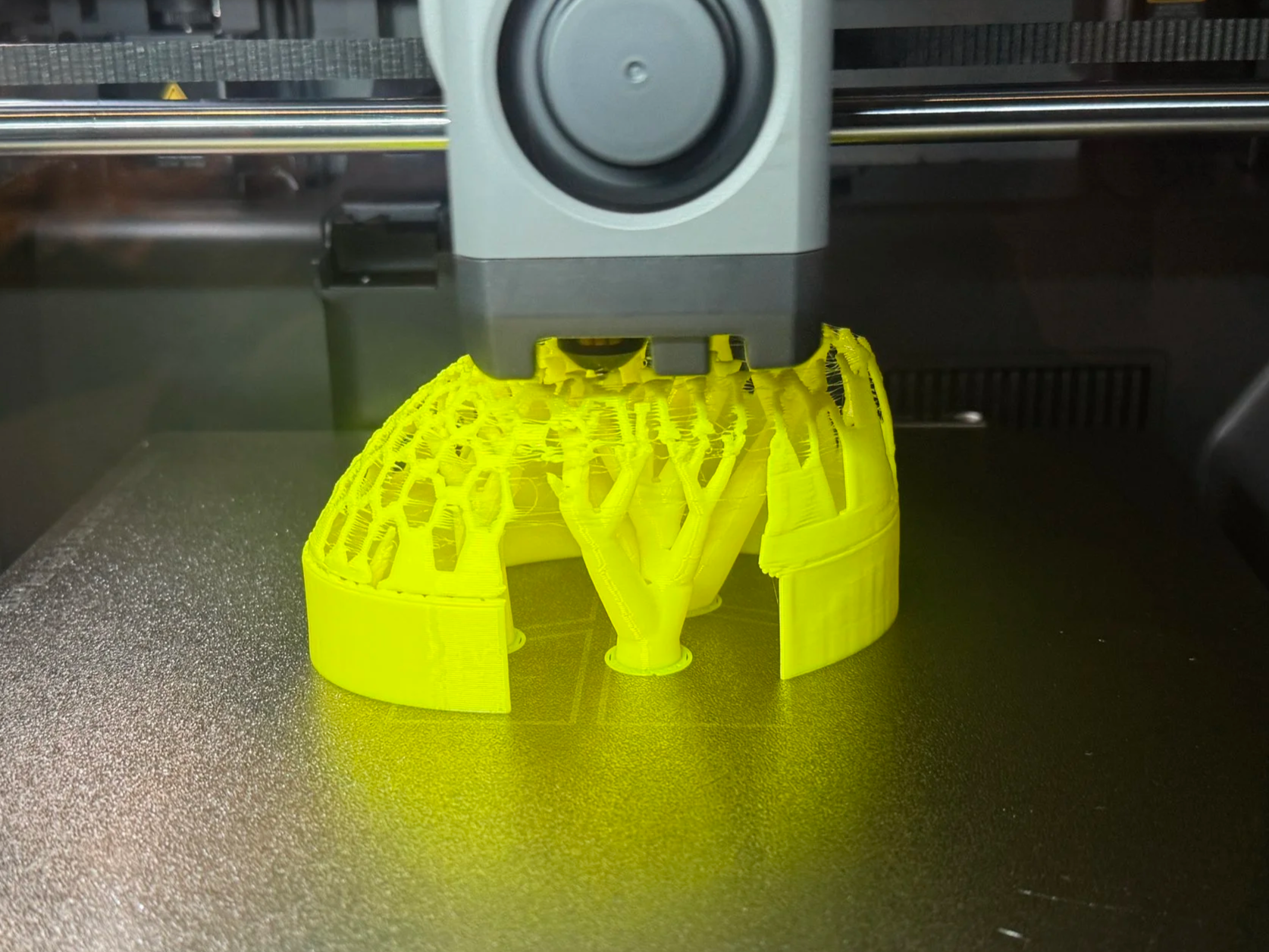
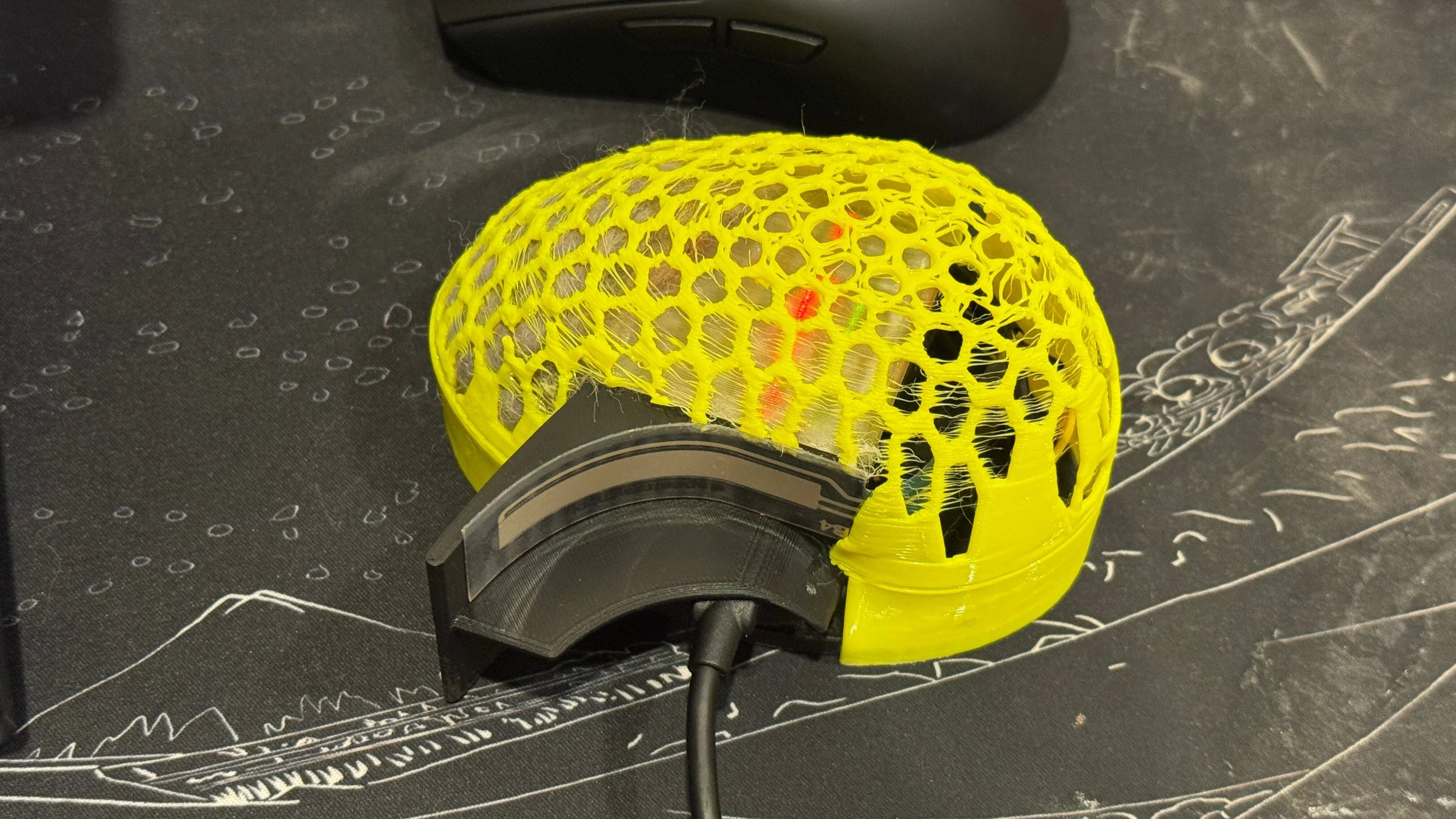
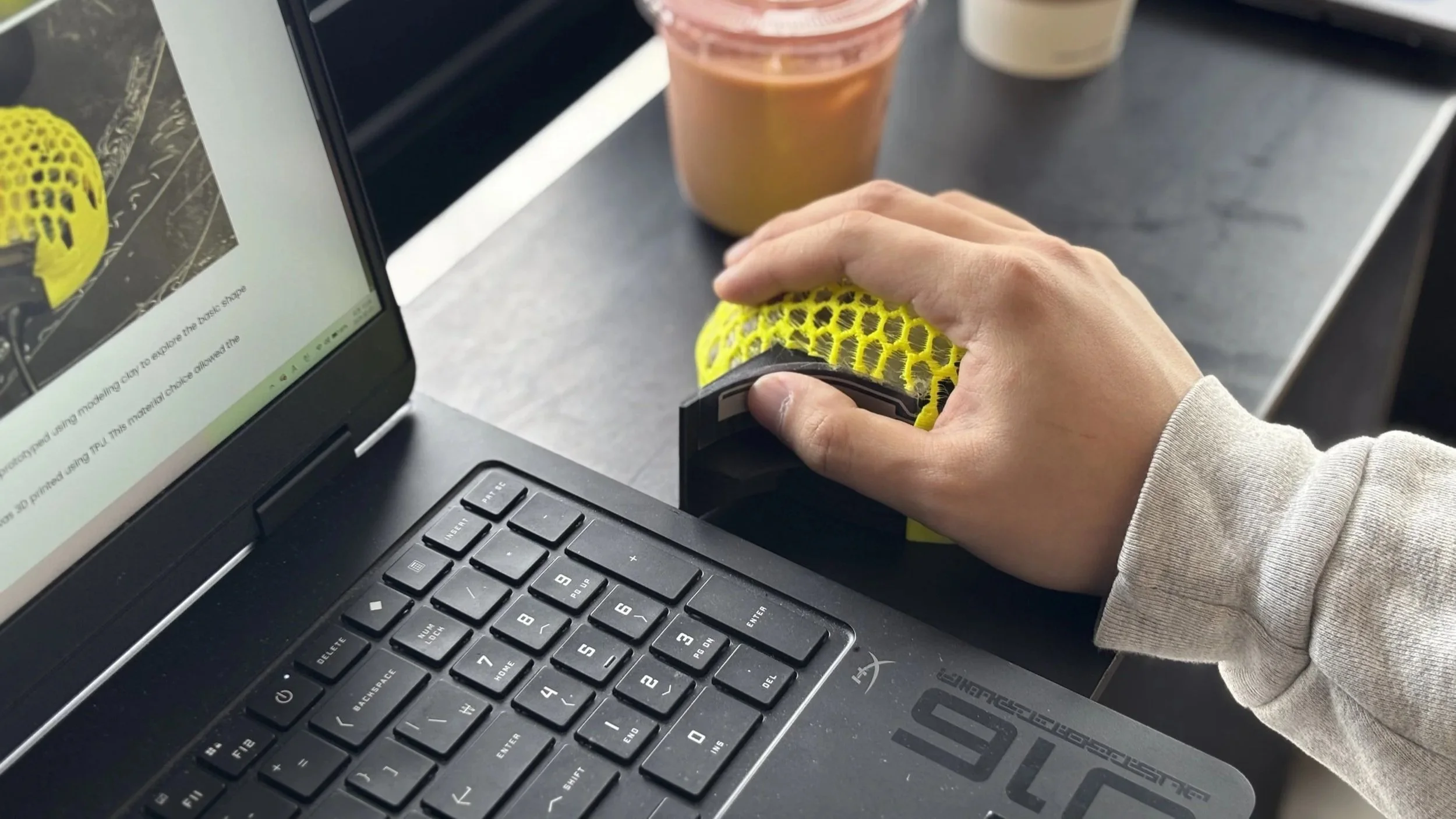
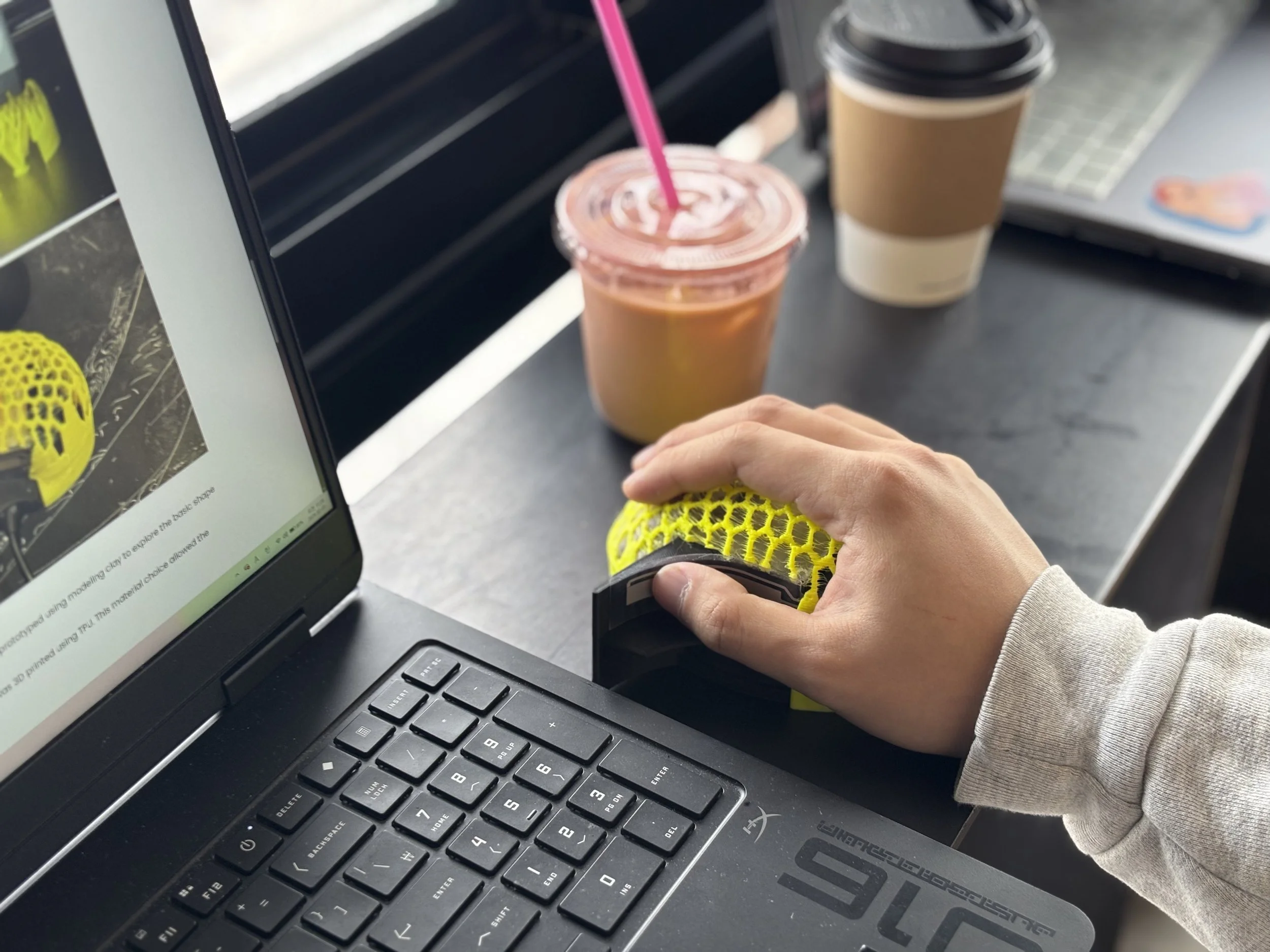
The computer mouse was integrated with appropriate sensors to support a soft structured interaction. The initial form was rapidly prototyped using modeling clay to explore the basic shape and hand feel. This form was then digitally modeled and 3D printed to accommodate the internal circuits, wiring, and sensors.
To achieve a structure that was both malleable and stable enough to adapt organically to different hand sizes, the outer shell was 3D printed using TPU. This material choice allowed the mouse to maintain structural integrity while remaining soft and responsive during prolonged use.
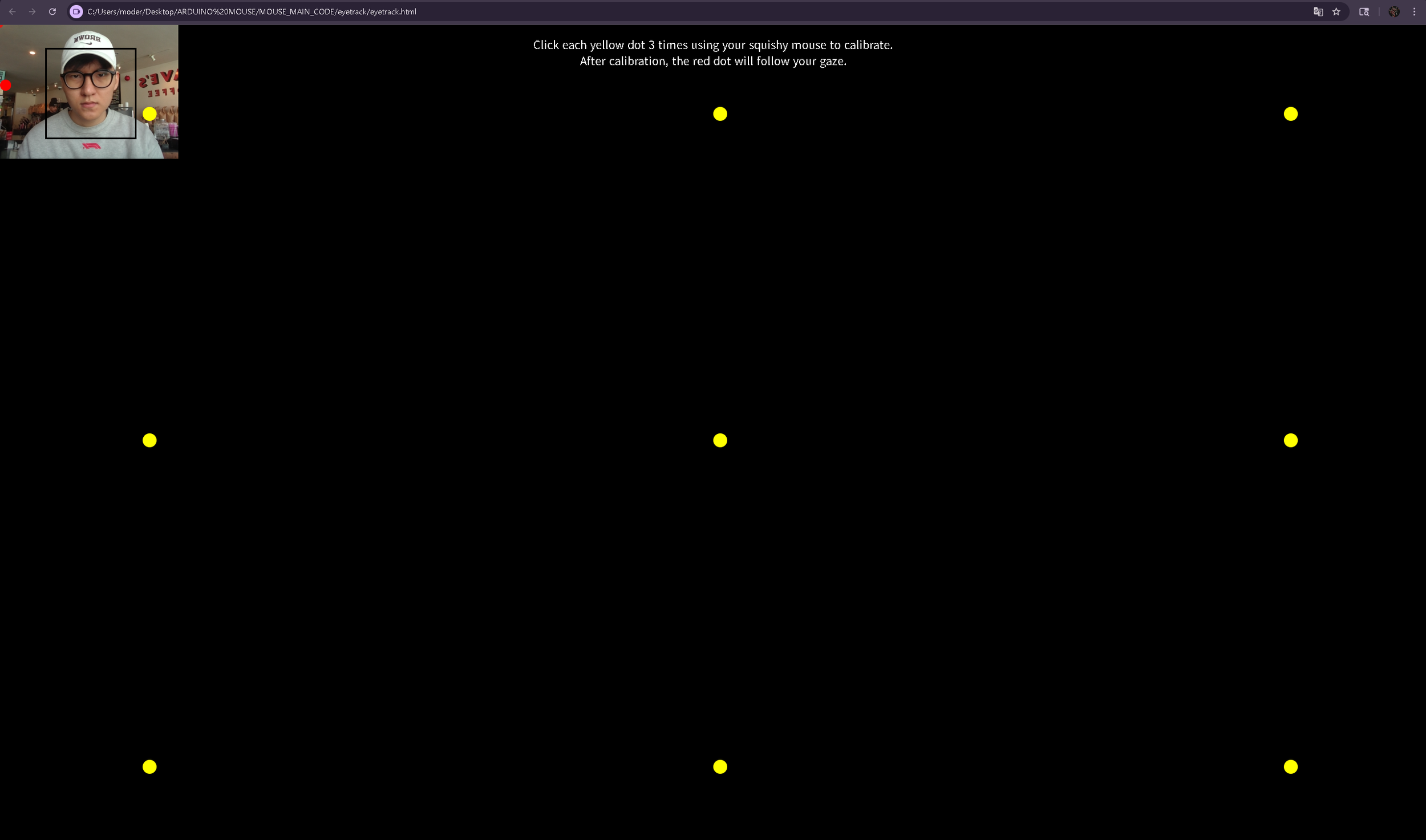
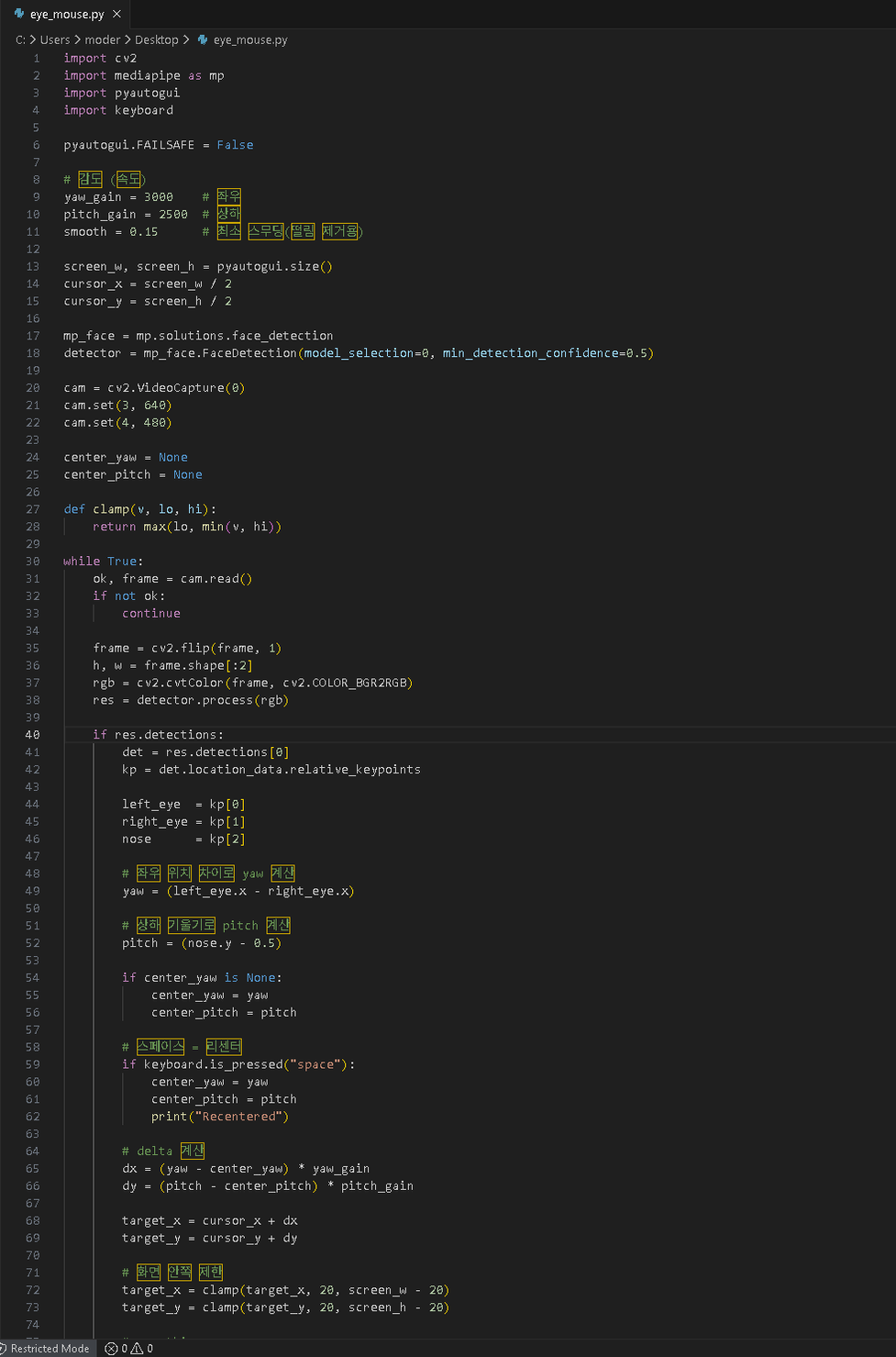
Eye tracking was explored using open source tools such as WebGazer and MediaPipe with a laptop webcam. Although gaze tracking was possible, the precision required for dependable mouse cursor control was not achievable, revealing the need for dedicated eye tracking camera hardware rather than a standard webcam.
6. Final Prototype
The demonstration video was recorded without an eye tracking system. Cursor movement was controlled using a trackpad for demonstration purposes.
7. Experiment Results
Soft structure and the ultimate ergonomics
The soft structure’s ability to collapse and adapt to different users’ hands were surprisingly successful. It demonstrated strong potential as an ergonomic solution that could naturally conform to individual hand shapes. However, testing revealed that minimal size variations were still necessary. If manufactured, the product would likely require at least small and large size options.
Freedom in surface bound
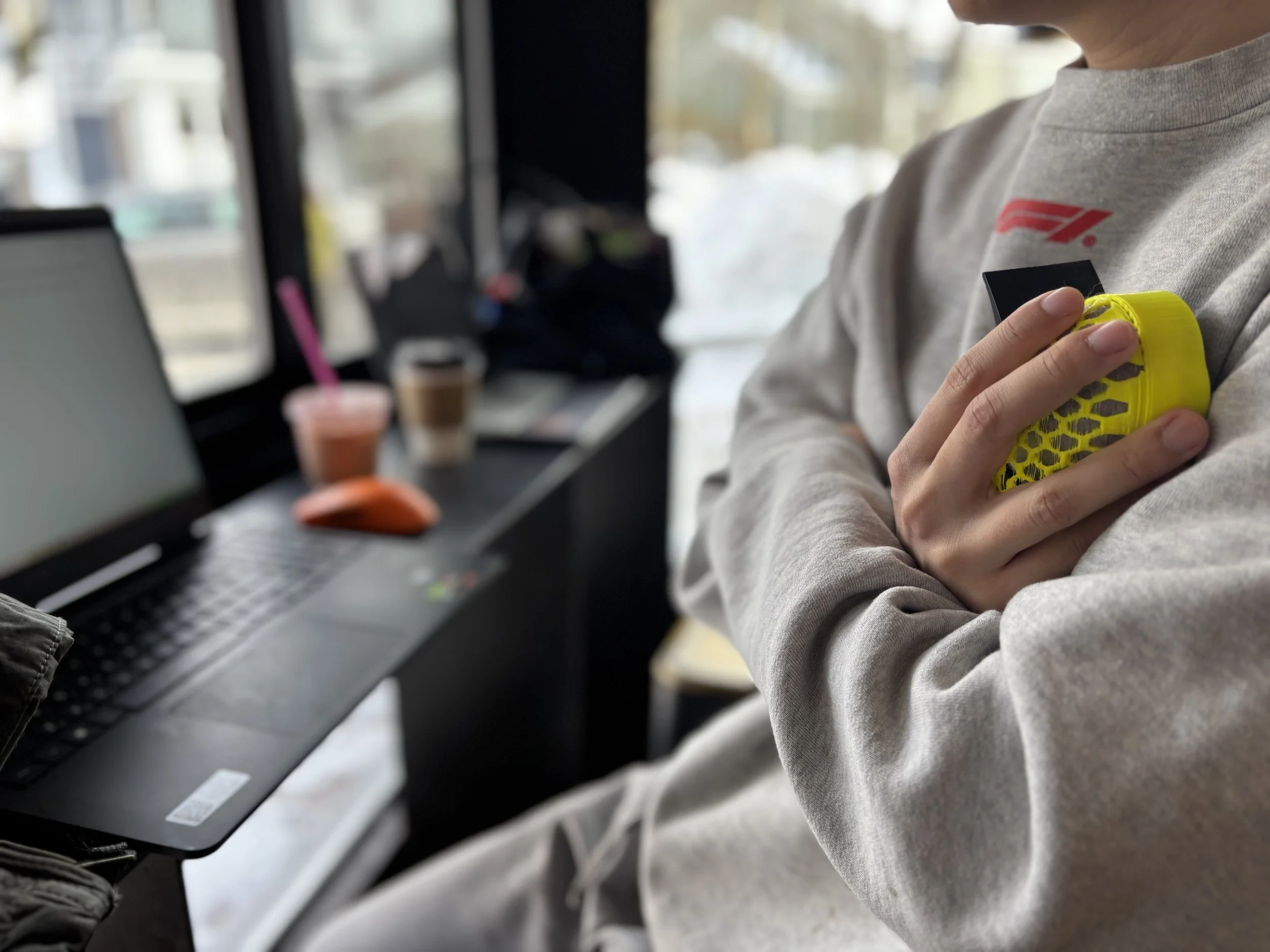
Freeing the mouse from a surface bound interaction also resulted in a noticeably more comfortable experience. Users were able to lean back in a chair or stand farther from the screen while maintaining control, allowing moments of movement and reflection during use. This suggests potential for reducing discomfort associated with maintaining a fixed posture over long periods of time.
Future implications
As this product currently exists as a prototype, future iterations could further enhance the freedom by incorporating Bluetooth connectivity. Additionally, replacing the cotton layer used to transmit pressure between the TPU shell and the pressure sensors would improve responsiveness and durability. Molded silicone presents a promising alternative material for future development.